Tips for Growing Containerized Nut Trees Indoors

There are so many desirable nut-bearing tree species. But if you plan to grow your nut tree indoors using a traditional gardening pot, you can’t just choose any tree you want unless you plan to transplant it outdoors later on. This is because virtually all nut tree species grow to incredible heights; heights that are generally not conducive to the average ceiling levels in homes and apartments.

For this reason, it is important to choose a realistic species of nut tree in order to have success; especially if you want to actually get to the nut yields! Furthermore, once you have selected your tree, it is important to know how to care for it as it grows. Continue reading to learn which nut tree species could work well in containerized environments, as well as some additional tree care tips that will help you on your quest to growing your very own nut tree.
Noblesville Tree Service 317-537-9770

Noblesville Tree Service 317-537-9770

Tree Nut Species

Since many tree nut species grow between 20 and 30 feet on average, you have to be careful making your selection. The smallest tree nut species are still very large, so you must do your research and measure your space properly. One species that could work very well if you have the right space is the Pink Flowering Almond Tree. It has an average height of 4 to 5 feet, so it would be suitable for indoor containerized growth. If you have high ceiling space, you could consider pine nut tree species. These have an average height of 9 feet. If you are simply containerizing a nut tree in order to start it up, and plan to transplant it later on, you can grow virtually any species you like.

Tree Care Tips

🥜 When using indoor containers to grow trees, you want to be sure they have proper drainage. Similarly, you want to use a well-draining potting soil. It is important to be sure they are large enough to accommodate the average root span of your tree.

🥜 In terms of watering, nut trees should only be watered once a week. Before watering, check the soil for moisture. If it is still moist, wait another day or two to water it again. Over-watering can cause damage to the root system, and prevent the tree from disbursing the necessary nutrients it needs to survive.

🥜 If you are keeping your containers outdoors, be sure to bring them indoors every night if temperatures are going to drop below 45 degrees Fahrenheit. During colder seasons, keep containers indoors near sunny windows for optimal exposure.

🥜 If you plan to transplant your tree, the best time to do so is in the springtime. Talk to your local Noblesville tree service company for advice on newly-planted tree care. They have the knowledge, skills, and resources to trim, prune, and care for your trees when they need it most.

Noblesville Tree Service

Tree Service Noblesville 317-537-9770

Noblesville Tree Service 317-537-9770
Call 317-537-9770 for professional and affordable Noblesville tree service you can count on. Whether you need stump grinding, tree removal, tree transplanting, trimming, pruning, shaping, or have problem with tree diseases, we can help! Our highly trained and experienced tree care technicians provide a wide range of tree services, including free estimates, consultations, coupons, discounts, and more. Contact us at 317-537-9770 to request a free estimate, today.

Apply Dormant Oils to Your Trees for Pest Protection

Learn how to apply dormant oils your trees so that you can better prevent overwintering pests from harming your trees come spring and summer.

Noblesville Tree Service 317-537-9770

Noblesville Tree Service 317-537-9770

Pests can hibernate within trees through the winter season, and emerge as larvae once spring arrives. This means you cannot assume that your tree pest problems are cleared just because summer is over. It is important to remain active against tree disease and pest infestation all year long. Fortunately, using dormant oils, also known as horticulture oils, is an excellent method for this type of preventative maintenance. Continue reading to learn more about the use of dormant oils for tree protection, and how to maximize their effectiveness.

How Do Horticulture Oils Work?

Horticulture oils are widely available and inexpensive. You can find them at any local gardening or landscaping store, as well as, many home improvement stores, tractor supply stores, nurseries, and online retailers. The oil works because it coats the spiracles of insects, which basically smothers future larvae. And since these oils are organic, they are non-toxic to the tree and other wildlife, such as birds, squirrels, chipmunks, and more. They are also not harmful to beneficial insects, like lady bugs and butterflies. You can even apply dormant oils to your shrubs. All you need is a cloth or large paint brush. Simply dip and apply a generous coat to your tree’s bark. You can even mix some oil with water in a plastic bottle and spray the solution onto the leaves for added protection.

Here are some tips that will help get the most from their use:

Get Your Timing Right. Timing is important when it comes to using horticulture oils. They should only be applied when a tree has fully entered dormancy, hence the name, “dormant” oils, and before it has begun to sprout new growth. That is why early winter and late spring are the best times to apply dormant oils. Ideal temperatures should be between 40 and 70 degrees Fahrenheit.

Combine Treatments Strategically. If you have other pesticide and insecticide treatment plans in place, be sure you organize your application agendas accordingly. It is important to space out your applications of these treatments from your oil applications because combining the two could create an adverse reaction for the tree. Thirty days is a good time frame to be safe.

Read the Label. There are several types of dormant oils to choose from, and they are not all the same, so it is important to pay attention to the labels before making any purchases. Look for a low-viscosity oil. These will be easier to work with and spread onto the bark. Also be sure that the oil you buy is blatantly marked as dormant oil. Furthermore, be sure the dormant oil is the right type for the species of tree you intend to use it on. Some oils are not formulated for certain tree species.

Follow Instructions. While you are reading your labels, be sure to concentrate on the instructions. Read the instructions thoroughly before making any applications to your trees. Not only will this make the process easier for you, it will make it safer and more effective too.

Noblesville Tree Service

Tree Service Noblesville 317-537-9770

Tree Service Noblesville 317-537-9770

Call 317-537-9770 for professional tree service in Noblesville, Indiana. We offer a wide range of professional tree services for residential and commercial properties. Ask us about our competitive pricing and our tree service coupons! Call 317-537-9770 to request a free estimate for Noblesville tree service, today.

Household Plants that Can Improve Indoor Air Quality

Noblesville Tree Service 317-537-9770

Noblesville Tree Service 317-537-9770
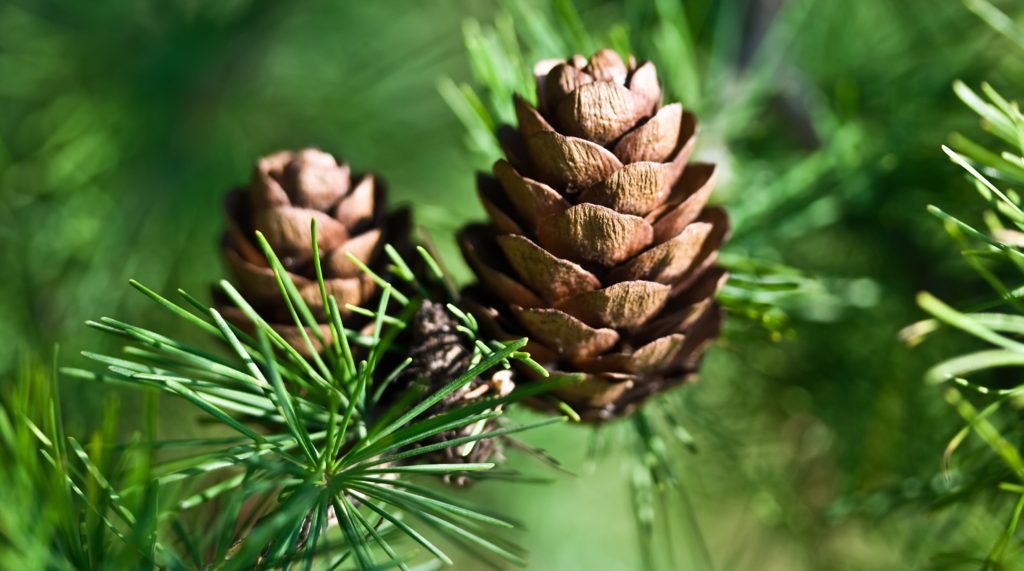
Indoor air quality needs to be a top priority for anyone who owns a home. Without regard to this issue, a person can expect to have issues with allergies, respiratory complications or distress, dirty duct work, low-performing appliances, wasted energy consumption, higher utility bills, and of course stress from all of this! Healthy indoor air environments are important for our health, comfort, and quality of life. There is so much a family can do to improve their indoor air, like not smoking indoors and cleaning the HVAC system regularly. But one interesting and creative method to enhancing the quality of air in a home is by using everyday plants! Continue reading to learn which plants work best for this purpose!

Plants for Healthier Indoor Environments

Certain plants have the ability to provide support in the elimination of certain airborne pollutants like carbon monoxide, Formaldehyde, trichloroethylene, benzene, and more. Aside from household flora and greenery, there are more concrete methods to air purification. Simply contact your local HVAC service company for information about services, prices, and availability. Here is a list of many household plants that can provide this benefit:

English Ivy

Not only timeless and beautiful, English Ivy (Hedera Helix) retains natural abilities to help rid an indoor air environment of unwanted contaminants. It can survive for many years, even in the shade, if properly cared for.

Corn Plant

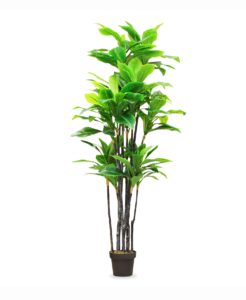
Also called Mass Cane or Massangeana, Corn Plants are great options for household plants and have been proven to help eliminate the dangerous airborne chemical pollutant, Formaldehyde. They thrive just fine in either shade or little light, and can last for years with proper routine care.

Bamboo Palm

Also called the Reed Palm, and scientifically referred to as Chamaedorea Seifrizii, this plant looks like a tropical fern, making it a fun and exotic addition to your home. It is a great house plant because it can thrive in minimal sunlight and even shade. It particularly assists in the removal of airborne traces of Formaldehyde and benzene.

Chinese Evergreen

The scientific name for the Chinese Evergreen is Aglaonema Modestum. Like many other plants listed, it is also a great choice for house plants because it can survive in medium to low sunlight. It retains qualities that help eliminate airborne chemical pollutants, but it is not recommended with homes with pets, particularly cats and dogs. This is because it contains an irritant that can hazardous or toxic for them.

Noblesville Tree Service

Tree Service Noblesville 317-537-9770

Tree Service Noblesville 317-537-9770

Call 317-537-9770 when you need professional tree service in Noblesville, Indiana. We are highly trained and experienced tree care technicians that offer a wide range of residential and commercial tree services at the most competitive prices in town. Whether you need routine tree service or major tree work, we are the professionals to trust for outstanding results in a convenient time frame.

Did You Know Pines Trees Are Edible?

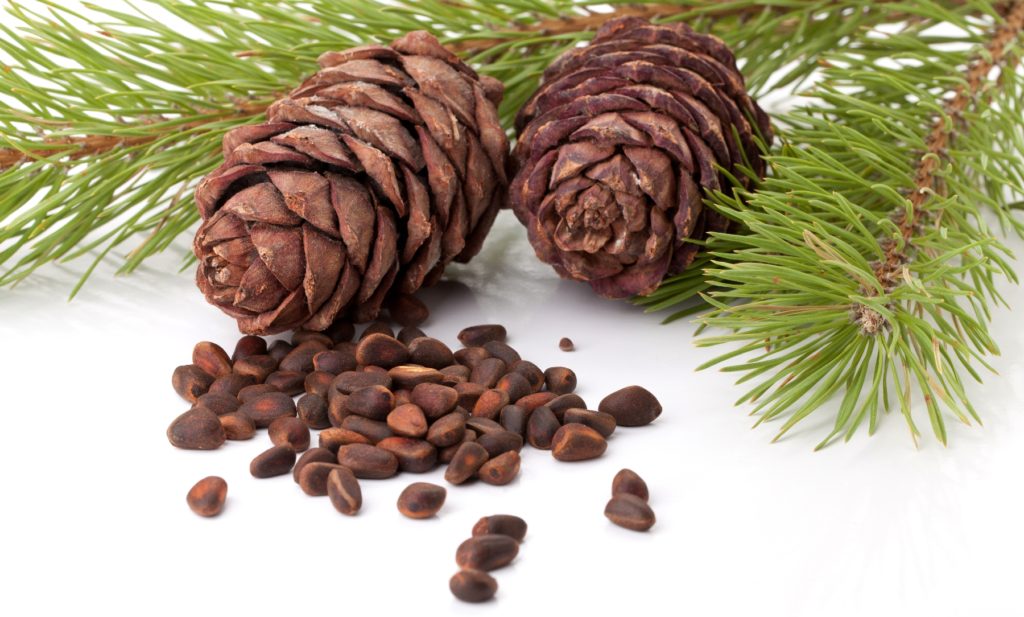
It’s true! Pine trees are edible! But before you go out to your backyard pine and stick a twig of needles in your mouth, be sure to learn which parts of a pine tree are edible and how to consume them safely. Continue reading to do just that!

Noblesville Tree Service 317-537-9770
Noblesville Tree Service 317-537-9770

🌲 Pine Needles

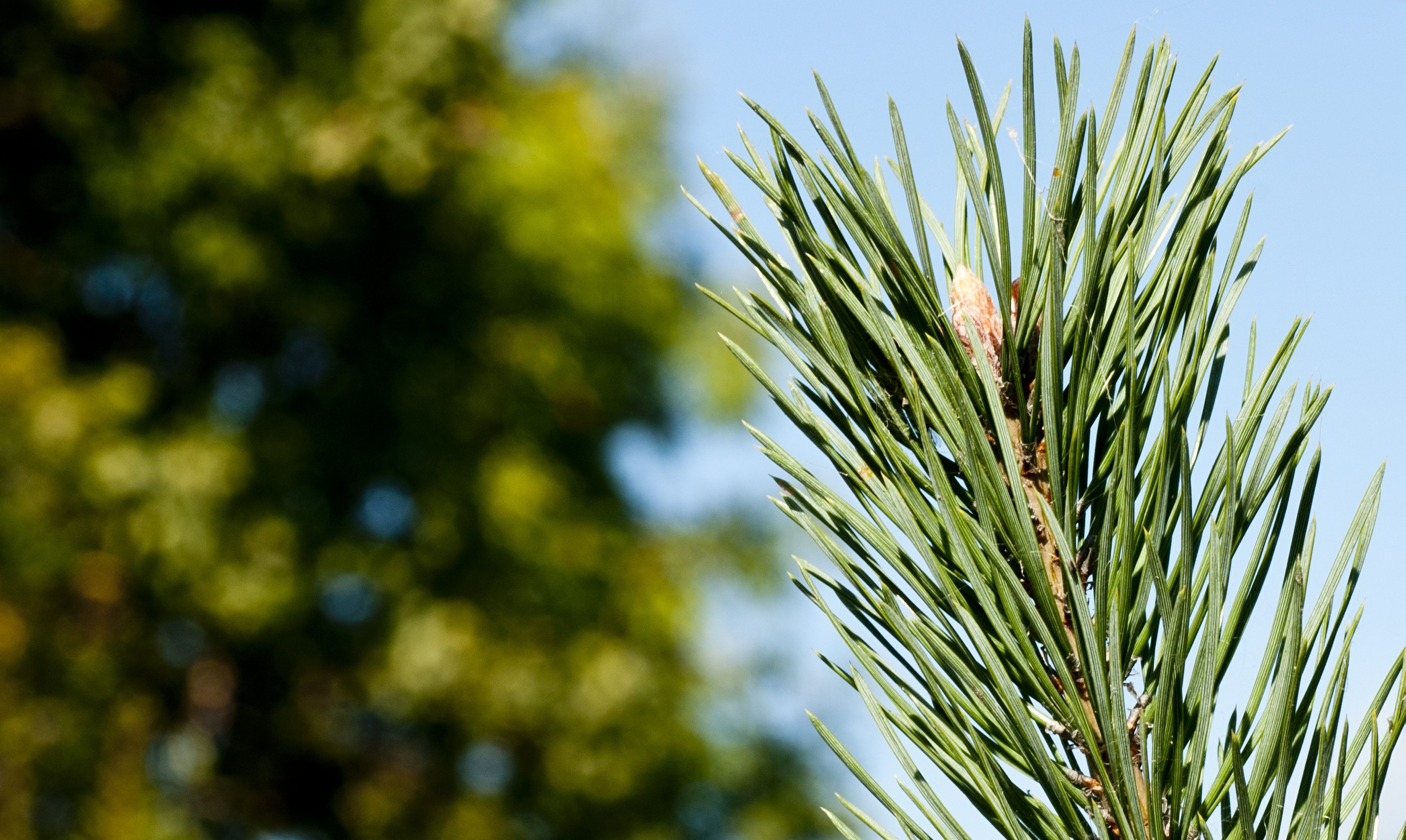
Pine needles may be prickly and pointy, but they make an excellent tea! Just be sure to use the right type of pine needles. Some are toxic, including the Yew, Norfolk Island Pine, and the Ponderosa Pine, also known as yellow pine. To make the tea, simply rinse a cup of pine needles in clean water, and then tie them together with cooking string. You can also chop them up and place them in a tea ball. Then steep the pine needles in hot water for 5 to 10 minutes and enjoy! Pine needles are loaded with essential vitamins, like Vitamin C. Pine needle tea is said to help boost the immune system, lower hyper tension, improve elasticity of the skin, and more.

🌲 Pine Cones

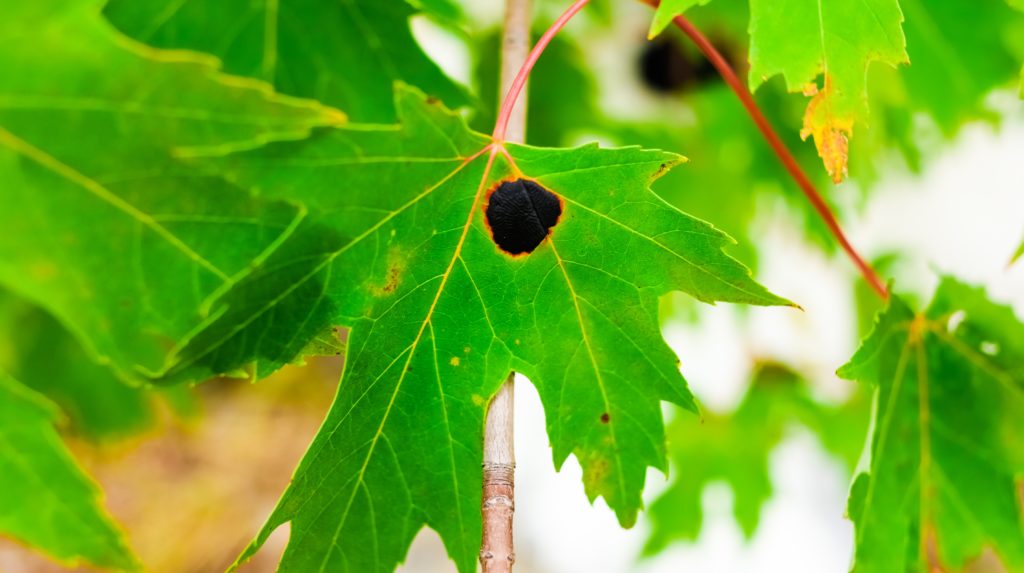
Also a bit prickly but still edible, pine cones can be baked or boiled as a delicious, organic treat. Just be sure to choose the male pine cones near the tips of tree branches. These are smaller, but produce better flavors. They produce pollen in the spring that can be used to thicken broths for soups and stews.

🌲 Pine Nuts

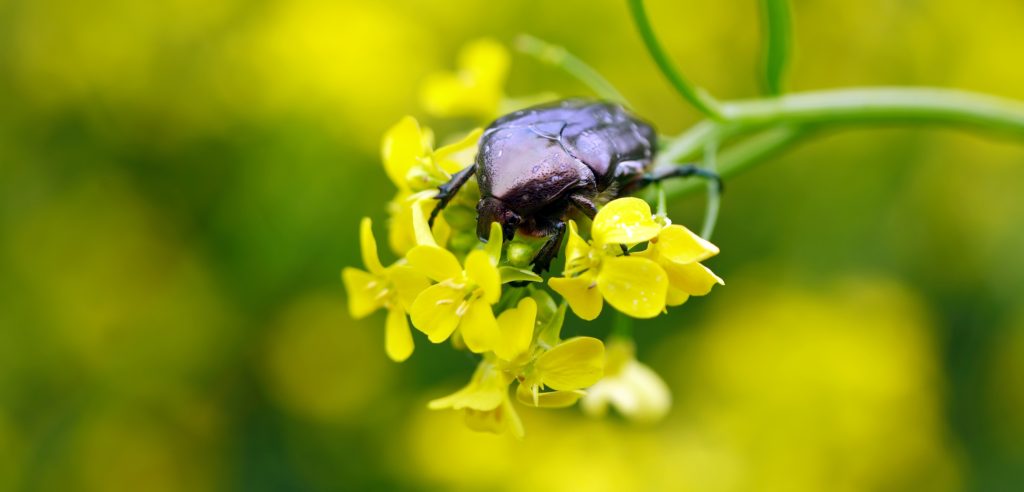
Pine nuts can be roasted or eaten raw. An interesting fact about pine nuts is that they are actually seeds. But they taste very good! It is recommended to roast them for long term enjoyment, otherwise, they quickly deteriorate out of their shell.

🌲 Inner Bark

The inner bark of a pine tree can be boiled, pan fried, roasted over an open flame, or simply eaten raw. However, take caution cutting directly into a healthy pine. This can cause open wounds, leaving the tree susceptible to disease and pest infestation. Instead, look for fallen limbs or branches.

Noblesville Tree Care

Tree Service Noblesville 317-537-9770

Noblesville Tree Service 317-537-9770
Call 317-537-9770 for Noblesville tree service you can trust. We are experienced tree care contractors that offer a wide range of professional tree services for residential and commercial properties. We offer everything from routine tree services to major tree work, and more. And don’t forget about our tree service coupons! Request a free estimate, today.

3 Diseases That Affect Tree Leaves

If you notice that the leaves on your tree are declining in health, it could be a result of these 3 common tree diseases: Powdery Mildew, Leaf Rust, and Leaf Spot. All three diseases can not only kill leaves, but the entire tree as well. For this reason, it is important to identify a tree disease in its earliest stages so that you may have a chance at helping your tree survive. Continue reading to learn about these three tree leaf diseases and how to treat them.

Noblesville Tree Service 317-537-9770

Noblesville Tree Service 317-537-9770
Powdery Mildew

Powdery mildew is an interesting tree disease because of its appearance. In fact, its appearance also makes it easy to identify in trees. Like its name suggests, powdery mildew disease covers leaves in a white, scum-like film. This generally occurs during dry, humid, cloudy weather, making spring and summer the perfect times of year to be on the lookout for such signs. Keep an extra eye on trees and shrubs that are always in shade.

Treating powdery mildew is not easy. This is why it is important to choose trees and shrubs that are resistant, and plant them in the spring. Avoid crab apple trees, lilacs, and crape myrtles. They are more susceptible to this disease. For trees that are already infected, a fungicide treatment can be applied and aggressive pruning can be implemented in the fall, but these are not always effective.

Leaf Spot

Lead spot is caused by a fungus. It is distinguishable by red spots all over leaves. These spots eventually rot holes into the leaves, causing excessive leaf drop and comprehensive canopy decline. During wet, cool weather, the disease spreads rapidly. Spring is s prime time of year to watch out for leaf spot. The most common treatment for infected trees is to implement a strategic pruning plan and destroying all infected leaves so they do not spread more disease. A professional Noblesville tree service can help you develop this plan.

Leaf Rust

Lead rust looks like the leaves of your tree have had numerous holes burnt into them. Developing holes start from orange, red, and yellow spots all over the leaves. It is caused by a fungus that inhibits the photosynthesis process in the tree leaves. This leads to overall canopy decline. Additional signs of leaf rust include powdery bunches of fungus, twisted and distorted foliage, and an increased presence of pests. Fungicides and pruning applied in the fall can help manage lead rust outbreaks.

Noblesville Tree Service

Tree Service Noblesville 317-537-9770

Noblesville Tree Service 317-537-9770
Call 317-537-9770 for professional tree service in Noblesville, Indiana. We offer a wide range of professional tree services for residential and commercial properties. Ask us about our competitive pricing and our tree service coupons! Call 317-537-9770 to request a free estimate for Noblesville tree service, today.

FAQS About Japanese Beetle Control

Flowers and trees are at risk when these pesky leaf-loving pests are around. They can be troublesome in virtually every season, from early spring, all the way to late fall. Learn how to protect your trees, lawns, and gardens from Japanese Beetles!

Noblesville Tree Service 317-537-9770
Noblesville Tree Service 317-537-9770

☙ What are the Signs of Japanese Beetle Infestation?

Most often, people know they have a Japanese beetle infestation on their hands when the swarms don’t seem to go away. Simply noticing them flying around your yard for more than a day is a sure sign that Japanese beetles are bound to attack your beautiful flora. Signs include foliage damage, such as skeletonized leaves, thinned canopies, thinning leaves, foliage loss, and more. These signs are a result of Japanese beetles chomping away at your plants. Sometimes, an entire tree can lose its leaves before the fall season arrives.

☙ How Do I Get Rid of Japanese Beetles in the Summer?

Japanese beetles love the smell of rotting fruit. For this reason, Japanese beetles are a common summertime problem for homes with fruit trees. A good way to combat this is by staying proactive with your ripening fruit. Once fruit is ripe enough, be sure to pick it, and if there are unhealthy fruits, remove them too. Preventing rotted fruit is a great method for preventing Japanese beetle infestations.

Another helpful method for getting rid of Japanese beetles in the summer is to use a soap and water solution. Place a bucket near your tree, and manually pick them off, one by one, and drop them in the sudsy water. There are also Japanese beetle bags and traps you can buy at your local gardening or home improvement store. These items are very affordable, but only somewhat effective.

☙ How Do I Get Rid of Them in the Spring and Fall?

The same method of fruit control for fruit trees is also important to do in the spring when fruits are beginning to blossom. Another route you can take is applying neem oil to your fruit trees in the late summer or early fall. Not only is this nontoxic to trees and wildlife, it effectively repels and kills Japanese beetles.

☙ I’ve Tried Everything and the Japanese Beetles Will Not Go Away. What Now?

If you have tried all the above methods of Japanese beetle removal and prevention, and you have not seen any improvement, you will need professional tree spraying service. An insecticide will kill and prevent future Japanese beetle infestations. Two treatments usually suffice, with one in early summer and one in late summer.

Noblesville Tree Service

Tree Service Noblesville 317-537-9770

Noblesville Tree Service 317-537-9770

Call 317-537-9770 for Noblesville tree service and tree care advice you can trust. We are experienced tree care contractors that offer a wide range of professional tree services for residential and commercial properties. We offer everything from routine tree services to major tree work, and more. And don’t forget about our tree service coupons! Call 317-537-9770 to request a free estimate, today.

What is an Indian Sign Tree?

Indian Marker Tree

Indian Sign Tree – Blue Mound State Park, Wisconsin

Can you imagine yourself walking through the woods or forest and spotting a group of trees that have grown in a loop around one another? For some, this scenario has been true. The phenomenon is not a naturally-occurring one, however. Instead, it is an ancient tool used by several Indian tribes to mark significant areas of land. These trees are called Indiana Sign trees, and they are magnificent sites to see. Unfortunately, there are very few left standing these days, so spotting one is a rare occurrence.

Continue reading to learn more about the history and purpose of these special trees.

Native American Sign Trees

Also called Indian Marker trees, many of the tribes that used this method of land marking have been gone in the United States for more than a century. They were some of the first navigational tools used by our country’s first civilizations. Native Americans used Sign trees to navigate their surroundings and mark important areas of land, such as underground springs, hunting grounds, trails, and other points of interest. They also marked the territories of different tribes and indicated geographical divides.

To achieve the distinctive knots, loops, bends, and zigzag formations of Indian Sign trees, tribesmen would tinker with the trees in their young sapling state, bending and manipulating them with leather thongs and rope to form curves and shapes, which encouraged certain growth patterns. As the trees grew, their bark hardened and they eventually took on the deformed shape, permanently. The most common species of tree used to form these navigational structures were Elm, Oak, and Maple.

Indian Sign trees are the living proof of the history of our Nations’ past civilizations and their incredible way of life, making them significant parts of our country’s cultural heritage, and a gift to today’s society. You can still find a few of these remarkable trees in parts of Texas, Wisconsin, Georgia, North Carolina, and a few other states.

Noblesville Tree Service

Tree Service Noblesville 317-537-9770

Tree Service Noblesville 317-537-9770

Call 317-537-9770 for professional tree service in Noblesville, Indiana. We offer a wide range of professional tree services for residential and commercial properties. Ask us about our competitive pricing and our tree service coupons! Call 317-537-9770 to request a free estimate for Noblesville tree service, today.

Tree Care Tips and Reminders

Trees must be well cared for if you want them to remain safe and valuable assets on your property. Protecting them against inclement weather, harsh conditions, pests, disease, and drought, are all contributing factors to adequate tree care. Continue reading to brush up on your seasonal tree care reminders, and learn a few more helpful tree care tips along the way.

Noblesville Tree Service 317-537-9770

Noblesville Tree Service 317-537-9770

Proper Tree Care

There are 5 primary aspects of proper tree care that help maintain healthier trees:

Root and Soil Preservation

To aid in root and soil preservation, be sure to apply 3 to 4 inches of mulch around the base of your trees. This will encourage the drip line to extend further.

Sufficient Hydration

To ensure proper hydration of the root system, use a quality soil moisture level tester. You can purchase these online or at any local gardening store.

Necessary Nutrition

Adequate watering and deep root fertilization are two highly-recommended practices for enhancing tree nutrition. Other types of tree care surface applications are helpful as well.

Tree Trimming and Pruning

Proper trimming and pruning are vital to a tree’s overall health. It stimulates healthy growth by promoting optimal interior sun exposure & photosynthesizing.

Disease and Pest Control

Tree trimming, spraying, fertilizing, and more are all effective practices for managing pests and disease. Talk to a professional arborist if you think your tree is in decline as a result of pests or disease.

Noblesville Tree Service

Tree Service Noblesville 317-537-9770

Noblesville Tree Service 317-537-9770

Call 317-537-9770 for Noblesville tree service at an affordable price. We provide a wide range of residential and commercial tree services at the most competitive prices in town. In fact, be sure you check out our tree service coupons and discounts too! Call 317-537-9770 to request a free estimate, today.

Protect Your Trees Against These 5 Common Pests

Noblesville Tree Service 317-537-9770

Noblesville Tree Service 317-537-9770

Your landscaping is something you have worked very hard to create. Hours of though and consideration coupled with the endless hours of physical effort to implement your tree and lawn care plan go out the window once your trees are infested or diseased. This is not only devastating to your trees, it is devastating to you as well. There are many nuisance animals and pests that can damage trees, but there are 5 pests in particular that have exponentially become a problem for landscapes over the years. Get to know these 5 pests below!

Tree Pests to Watch Out For:

Asian Citrus Psyllid

This tiny gray-brown insect is a threat to citrus trees, and has affected various regions all around the world. Their most common targets include orange, tangerine, lemon, and kumquat trees. While it feeds, it injects a toxin into the plant tissues, causing leaves to curl up, discolor, and even turn black. They also carry and transmit a disease called “citrus greening”, also known as “huanglongbing” (HLB). It is one of the most fatal citrus tree diseases.

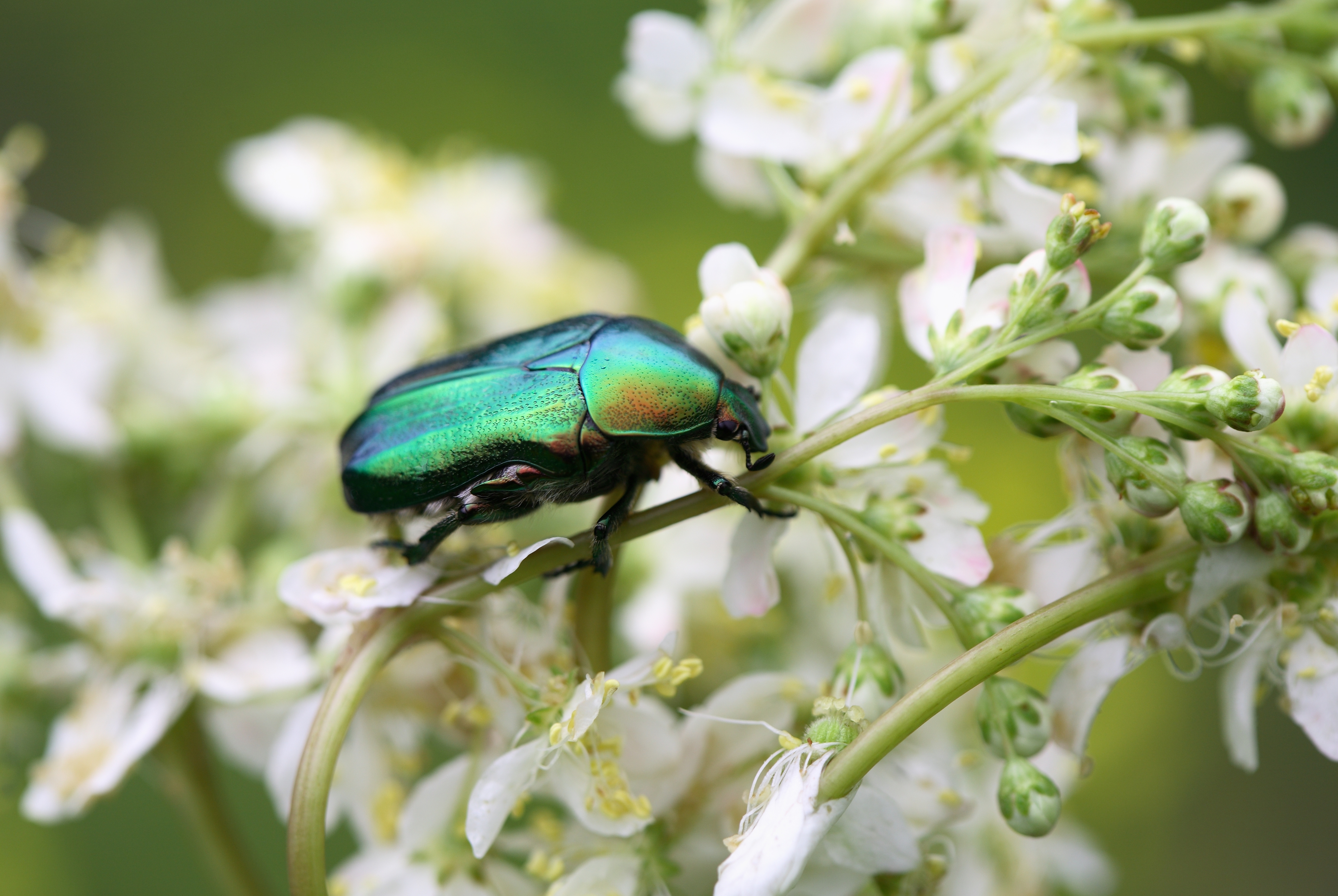
Japanese Beetles

Accidently imported from Japan in a shipment of irises over 100 years ago, this beetle feeds on more than 400 plant species in the United States. Their feasting leads to skeletonized foliage. Some of their favorite targets include pin oak, linden, roses, hibiscus, grapes, raspberries, crabapples, crape myrtle, sassafras, Japanese maple, and Norway maple. Although they rarely kill trees, they can take out entire lawns and gardens.

Asian Longhorned Beetle

Similar to the Japanese beetle, this beetle was first discovered not too long ago in New York. They are highly destructive since they tunnel into trees and cut off their water and nutrient distribution systems. Mid-to-late summer and fall are prime seasons for Asian longhorned beetles. Common targets include birch, willow, horse chestnut, elm, goldenrain tree, katsura tree, and maple.

Hemlock Wooly Adelgid

This highly invasive and damaging tree pest has killed thousands of Eastern and Carolina Hemlock trees in just the past decade. The most distinctive sign of hemlock wooly adelgid infestation is an accumulation of white masses at the base of needles on Hemlock trees.

Emerald Ash Borer

Imported from Asia and first discovered in Detroit 15 years ago, this bright metallic-green beetle is a devastating tree pest that targets solely ash trees. Their larva bore deep into the tree bark and feed underneath, which creates tell-tale L-shaped holes in the trunk. This activity interrupts the tree’s ability to distribute water and nutrients, which leads to crown dieback and bark splitting.

Tree Service in Noblesville, Indiana

Tree Service Noblesville 317-537-9770

Noblesville Tree Service 317-537-9770

Call 317-537-9770 for professional and affordable Noblesville tree service you can count on. Whether you need stump grinding, tree removal, tree transplanting, trimming, pruning, shaping, or have problem with tree diseases, we can help! Our highly trained and experienced tree care technicians provide a wide range of tree services, including free estimates, consultations, coupons, discounts, and more. Contact us at 317-537-9770 to request a free estimate for Noblesville tree care, today.

What are Leaf Galls?

Noblesville Tree Service 317-537-9770

Noblesville Tree Service 317-537-9770

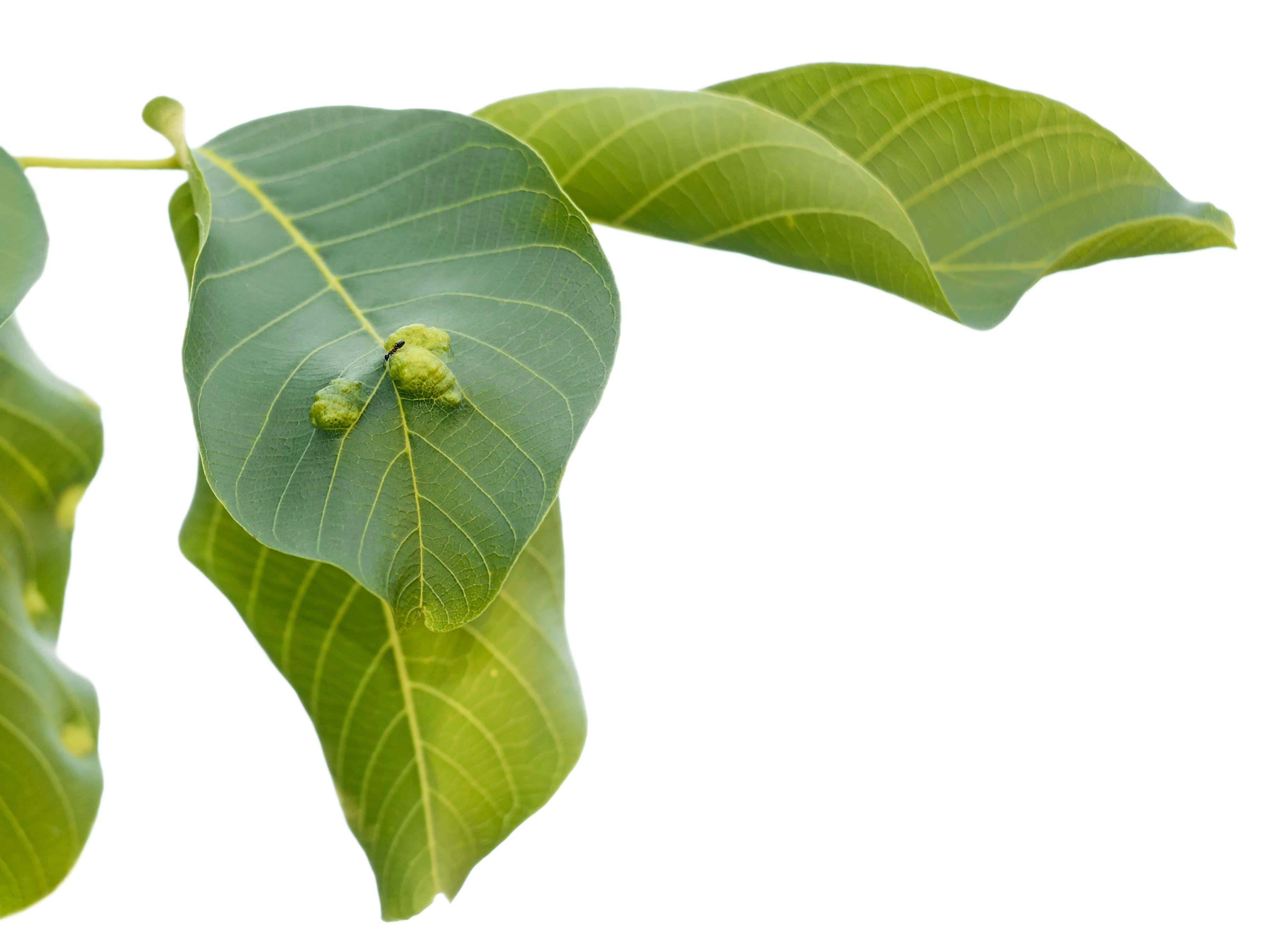
Oak and Maple trees are beautiful, magnificent parts of nature. Unfortunately, they are also common targets for an unappealing, abnormal cell growths called galls. Leaf galls come in a wide range of colors and sizes, and appear in the form of blotches, balls, or bumps on leaves or branches. They can be perfectly harmless, some occurring as a result of an infection or wound, while other galls can be caused by insects and tree mites. Continue reading to learn more about leaf galls and what to do about them.

Tree Galls

As mentioned, leaf galls are abnormal cell growths on branches or leaves. They can appear as single bumps or a collection of complicated structures, and come in a wide array of colors, from plain brown to bright reds and oranges. They can form where insects eat or lay their eggs, because the interaction between the chemical stimuli and the plants hormones. They can also form at sites of infection caused by bacteria, fungi, and viruses.
Most of the time, leaf galls are not a serious problem and will not kill a tree. Infested leaves can still carry out photosynthesis at the normal rate of production. However, some cases can be serious enough to require professional intervention, such as Gouty Oak and Horned Oak gall. Also, if plants are smaller, leaf galls may stunt their growth because the plant’s water and nutrient distribution system is affected.

Tips for Managing Leaf Galls:

Do not do anything and just live with the condition. Because the presence of leaf galls is not always detrimental to a tree, it is best to just ignore them and go on with your life. Although unappealing, they will not kill your tree.

Try chemical sprays. Using chemical sprays is best suited for small trees that has poor health or has been free of foliage for several years. You must be careful using chemical sprays since they can actually kill helpful insects that keep galls away.

Tree care is always effective. Raking fallen leaves in a timely manner and pruning infested twigs and branches can be an effective method for controlling leaf galls. Talk to your local tree care contractor about the necessary tree services for your landscape.

Noblesville Tree Service

Tree Service Noblesville 317-537-9770

Tree Service Noblesville 317-537-9770

Call 317-537-9770 for prompt and professional tree service in Noblesville, Indiana. We are highly trained and qualified tree care contractors with decades of experience in the tree service industry. And we provide residential and commercial tree care at the most competitive prices in town!